 ×
×
Traditional bathroom habits have relied on toilet paper for centuries, but personal hygiene standards continue to evolve. A bidet sprayer represents a significant shift in how households and businesses approach personal cleansing. Unlike toilet paper alone, which provides only surface-level cleaning, this innovative bathroom fixture delivers targeted water pressure for thorough, hygienic results. The spray function of a modern bidet sprayer ensures that your cleaner routine is more effective, more hygienic, and more environmentally responsible than traditional methods.
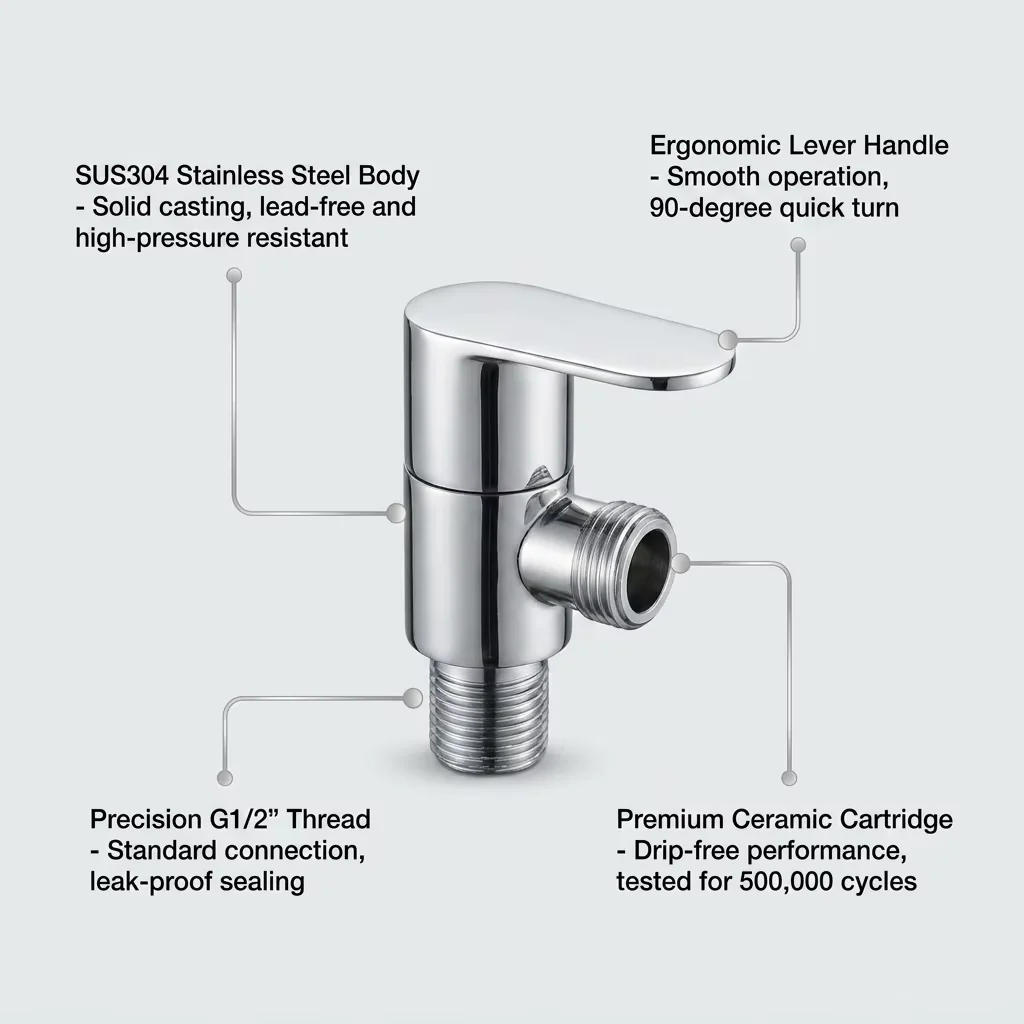
The fundamental difference between a bidet sprayer and paper alone lies in the technology and mechanism behind the cleansing action. While toilet paper relies on mechanical friction, a bidet sprayer harnesses controlled water pressure to achieve superior sanitation. This advancement in bathroom technology is gaining recognition across residential and commercial settings, from private homes to hospitality facilities, because it addresses genuine hygiene concerns that toilet paper simply cannot solve independently.
The spray function of a bidet sprayer operates on a straightforward principle: pressurized water delivers cleansing action that paper alone cannot match. When you use toilet paper, you are limited to wiping and dabbing motions that leave residue behind. A bidet sprayer, by contrast, uses targeted water jets to reach areas that paper cannot effectively clean. This spray function is particularly effective at removing all traces of waste, reducing the need for excessive wiping and the associated tissue consumption.
Water-based cleansing also prevents the irritation that results from repeated rubbing with dry or damp paper. The gentle yet effective spray function minimizes friction-related discomfort while achieving superior cleanliness. Many users report that switching from toilet paper alone to a bidet sprayer dramatically reduces irritation, especially for individuals with sensitive skin or those prone to hemorrhoids. The spray function's adjustable pressure settings allow customization for personal comfort preferences, making it an adaptable solution for diverse household needs.
A cleaner routine using a bidet sprayer addresses mechanical limitations inherent to paper-based methods. Toilet paper alone requires manual application and cannot deliver consistent pressure or directional accuracy. The spray function of a bidet sprayer eliminates guesswork by distributing water evenly across the target area. This mechanical efficiency means fewer passes are needed, less toilet paper is consumed, and the final result is demonstrably more hygienic than toilet paper alone could ever achieve.
The coverage advantage of the spray function becomes even more apparent when considering the anatomical challenges that paper-based methods struggle to address. A bidet sprayer ensures comprehensive cleansing in every situation, regardless of user mobility or physical limitations. This makes a cleaner routine accessible to elderly individuals, people with disabilities, and anyone seeking a more effective personal hygiene solution than toilet paper alone provides.
The environmental impact of toilet paper consumption is substantial, yet most households remain unaware of the alternatives available. A cleaner routine powered by a bidet sprayer can reduce toilet paper usage by up to 75 percent. This reduction translates directly into fewer trees harvested, less water used in paper manufacturing, and diminished landfill waste. When you compare the environmental footprint of toilet paper alone versus a bidet sprayer system, the spray function clearly emerges as the sustainable choice.
Commercial properties benefit even more dramatically from this shift. Hotels, restaurants, office buildings, and hospitals all face escalating tissue costs and waste management expenses. By implementing bidet sprayers as part of their cleaner routine, these facilities reduce operational costs while demonstrating environmental responsibility. The spray function requires minimal water compared to the resources needed to produce equivalent quantities of toilet paper alone, making it an economically intelligent and eco-conscious investment.
Financial considerations often drive purchasing decisions in both residential and commercial contexts. A bidet sprayer represents an upfront investment that pays dividends through sustained paper savings. Over a five-year period, a typical household can save hundreds of dollars by reducing toilet paper consumption. The spray function operates on water from existing bathroom plumbing, eliminating ongoing consumable costs associated with toilet paper alone. Installation is straightforward and non-intrusive, requiring only a basic connection to the water supply.
Beyond direct savings, a cleaner routine using a bidet sprayer reduces medical expenses related to hemorrhoids, urinary tract infections, and skin irritation caused by excessive paper friction. These secondary cost reductions, though less visible in household budgets, contribute meaningfully to overall quality of life and financial wellbeing. Property managers and facility operators recognize these advantages and increasingly view bidet sprayers as essential infrastructure rather than optional luxury items.
Medical professionals increasingly acknowledge that water-based cleansing outperforms toilet paper alone from a sanitation standpoint. The spray function reaches areas that paper cannot adequately clean, reducing bacterial colonization and associated infection risks. Women benefit particularly from this advancement, as a cleaner routine using a bidet sprayer significantly reduces urinary tract infection rates. Men also experience improved hygiene, with research demonstrating that water-based cleansing removes more fecal matter than paper alone.
A bidet sprayer's spray function provides consistent results regardless of user technique, eliminating the variability inherent in manual paper-based methods. This consistency is crucial in healthcare settings where infection control directly impacts patient outcomes. Hospitals and long-term care facilities increasingly integrate bidet sprayers into bathrooms specifically to enhance their cleaner routine protocols and reduce healthcare-associated infection rates. The spray function delivers documented sanitation advantages that toilet paper alone cannot match.
Irritation from excessive toilet paper use represents a genuine health concern that many people accept as inevitable. A cleaner routine powered by a bidet sprayer eliminates this unnecessary discomfort. The gentle spray function prevents the friction-related damage that leads to hemorrhoids, anal fissures, and chronic irritation. Users with inflammatory bowel conditions, those undergoing medical treatments affecting anal tissue, and individuals recovering from childbirth all benefit tremendously from switching away from toilet paper alone.
Skin health improvements extend beyond immediate comfort. By reducing mechanical trauma and maintaining better overall cleanliness, a bidet sprayer supports natural healing processes and prevents secondary infections. Elderly users particularly appreciate the enhanced independence and dignity that a cleaner routine provides, as reduced reliance on toilet paper often means less need for caregiver assistance. The spray function's adjustable pressure settings accommodate varying comfort needs across different user populations, ensuring that everyone can achieve their preferred balance of effectiveness and gentleness.
No. The water consumption of a bidet sprayer during a cleaner routine is minimal—typically less than one liter per use. In stark contrast, producing equivalent amounts of toilet paper requires thousands of liters of water through the pulping and manufacturing processes. The spray function operates on-demand for seconds, while industrial paper production involves water-intensive stages before reaching consumers. Environmentally, a bidet sprayer proves far more water-efficient than the toilet paper alone alternative.
Most bidet sprayers install easily on existing plumbing without modifications. The spray function connects to the water line through a simple T-adapter that splits the water flow between the toilet tank and the sprayer outlet. This means minimal installation complexity and no need for professional plumbers in most cases. A cleaner routine can begin immediately after basic setup, making bidet sprayers accessible regardless of bathroom age or configuration. Compatibility is rarely an issue for modern plumbing systems.
A quality bidet sprayer includes adjustable pressure settings that let users customize their cleaner routine experience. New users typically start with lower pressure settings, gradually increasing as they become comfortable. This flexibility accommodates different anatomies, sensitivities, and personal preferences. The spray function can be fine-tuned to deliver effectiveness without discomfort, something that toilet paper alone cannot provide due to its one-dimensional application method. Pressure control is essential for user satisfaction and continued adoption.

 EN
EN