 ×
×
Sourcing a faucet from an overseas supplier requires careful evaluation across multiple dimensions to ensure product quality, compliance, cost-effectiveness, and long-term business success. Importers who rush this process often face costly delays, quality issues, and regulatory complications that damage brand reputation and profitability. Understanding what importers examine when sourcing a faucet from overseas helps you build stronger supplier relationships, reduce risk, and secure products that meet your market demands.
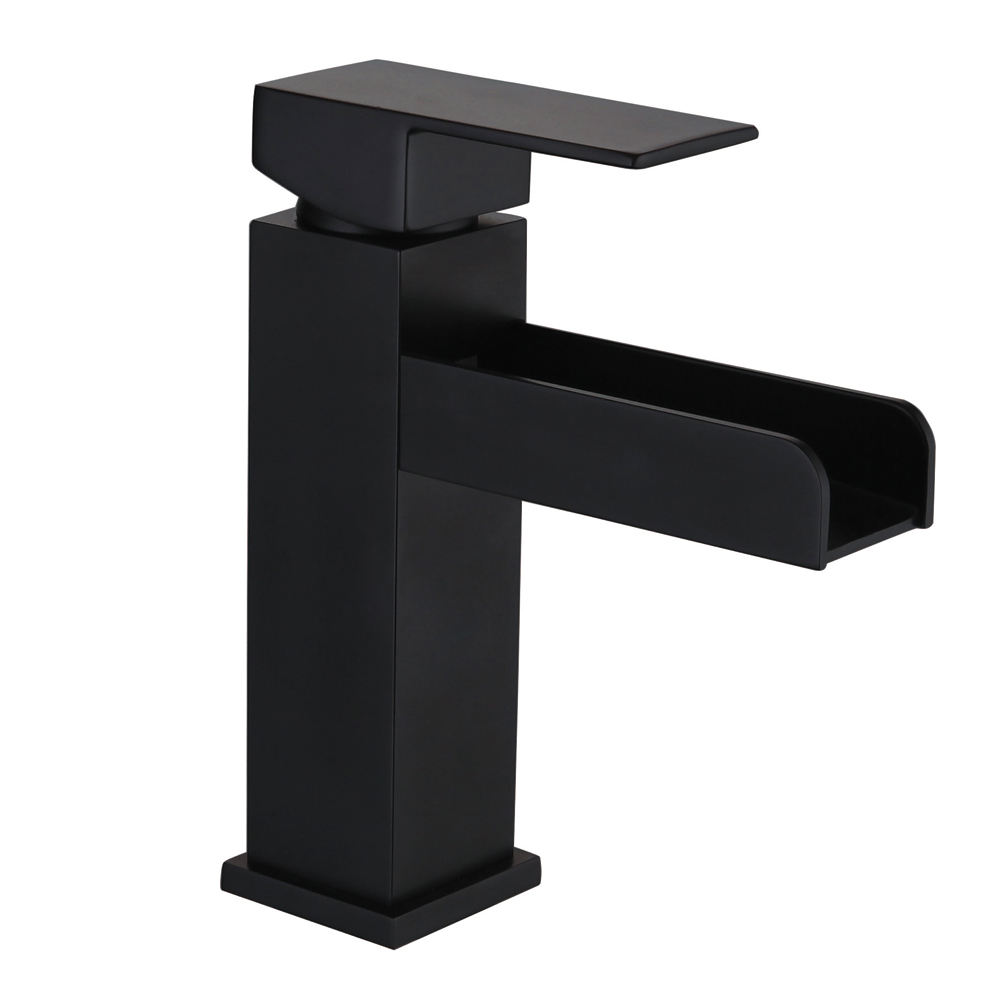
The import sourcing process for faucets involves technical specifications, material standards, manufacturing capabilities, regulatory compliance, and supplier reliability. Each element directly influences whether the final product meets consumer expectations, passes inspections, and generates acceptable margins. Importers examine these factors systematically to make confident purchasing decisions and maintain competitive advantage in their markets.
Material composition is the foundation of faucet durability, corrosion resistance, and safety. When importers examine material choices, they assess brass content, stainless steel grades, and coating specifications that determine longevity in residential and commercial settings. A faucet manufactured from substandard materials will fail faster, increase warranty claims, and damage the importer's brand credibility in the market.
Brass alloys used in faucet bodies must meet specific lead content thresholds mandated by drinking water regulations in North America, Europe, and other regulated markets. Importers examine third-party test reports and material certifications to verify that overseas suppliers comply with these standards before production begins. Stainless steel components, particularly in pull-out sprayers and internal mechanisms, require proper grade designation such as 304 or 316 to resist corrosion and ensure smooth operation throughout the product's service life.
Surface finishes such as chrome plating, brushed nickel, and matte black determine both aesthetic appeal and functional performance. Importers examine coating thickness, adhesion strength, and resistance to tarnishing and scratching because poor finishes lead to aesthetic degradation and customer dissatisfaction. Overseas manufacturers vary significantly in plating quality, so importers request detailed specifications and sample evaluations before committing to large production runs.
The faucet finish must withstand moisture exposure, temperature fluctuations, and daily use without peeling, discoloration, or corrosion. Importers examine test data confirming salt spray resistance, humidity resistance, and mechanical durability to ensure the faucet maintains appearance and performance across different climates and water conditions. These technical details separate reliable suppliers from those cutting costs through inferior coating processes.
Every market has distinct drinking water safety regulations that faucet manufacturers must satisfy. Importers examine whether overseas suppliers understand and comply with standards such as NSF/ANSI 61 in North America, European Union Drinking Water Directive compliance, and local country-specific requirements. These certifications confirm that the faucet releases no harmful substances into potable water, a non-negotiable requirement for importers selling into regulated markets.
Lead leaching is a critical concern in import sourcing, particularly for faucets destined for residential kitchens and bathrooms. Importers examine test certificates proving lead content stays below regulatory thresholds such as the 0.25% maximum in California or the NSF standard limits. Overseas suppliers must maintain traceability throughout production to demonstrate consistent compliance, and importers verify this through audits, testing protocols, and supplier documentation.
Beyond drinking water safety, importers examine certifications for flow rate compliance, pressure rating, and temperature resistance. Many regions mandate water-saving flow rates to align with conservation standards, so the faucet must deliver required performance without exceeding specified limits. Importers review technical documentation confirming the faucet functions across required pressure ranges and handles hot water exposure without valve failure or leaks.
UPC certification, CSA approval, and equivalent regional standards demonstrate that overseas manufacturers have tested and validated product performance against published requirements. Importers examine these certifications as gatekeepers to market access because retail customers and building code inspectors require proof of compliance. Without proper certifications, even a high-quality faucet cannot be legally sold in many markets, making this examination absolutely critical during import sourcing decisions.
Importers examine the supplier's manufacturing infrastructure, quality control processes, and production capacity to ensure consistent output and on-time delivery. Overseas faucet manufacturers vary dramatically in sophistication, ranging from small workshops with manual assembly to automated facilities with statistical process control and advanced inspection equipment. Site visits and audits help importers assess whether the supplier can maintain tight tolerances, manage inventory responsibly, and scale production to meet seasonal demand without compromising quality.
Production control systems directly impact defect rates, warranty costs, and customer satisfaction. When importers examine quality management systems, they look for documented procedures, traceability records, and corrective action protocols that demonstrate the supplier's commitment to consistency. Suppliers using Six Sigma methods, ISO 9001 certification, or equivalent quality frameworks typically deliver more reliable results than those relying on subjective inspection without documented standards.
Importers examine whether they own the tooling and molds used to produce their specific faucet designs or whether the supplier retains ownership. This distinction affects pricing, customization flexibility, and supply chain security. If the importer owns the tooling, they can switch suppliers or adjust production without losing investment in custom molds; if the supplier owns the tooling, the importer faces higher switching costs and potential supply lock-in.
Design ownership also influences intellectual property protection and product differentiation. Importers examine supplier agreements carefully to prevent the overseas manufacturer from selling identical designs to competitors or other markets. Clear contractual language regarding design confidentiality, exclusivity terms, and modification rights protects the importer's competitive position and ensures the faucet remains differentiated in their target market segments.
Import sourcing decisions rest heavily on pricing competitiveness and payment flexibility. Importers examine detailed cost breakdowns from overseas suppliers to understand material costs, labor expenses, overhead allocation, and profit margins. This transparency reveals opportunities to optimize specifications without sacrificing quality or to negotiate volume discounts that improve margins. Pricing also includes tooling amortization, minimum order quantities, and price escalation clauses that importers must evaluate carefully before committing.
Payment terms significantly affect working capital requirements and cash flow. Importers examine whether suppliers offer 30, 60, or 90-day terms, require prepayment, or accept letters of credit. Negotiating favorable payment terms with overseas manufacturers reduces financial strain and allows importers to align payment schedules with customer collections. Price alone should not drive supplier selection; total cost of ownership including payment flexibility, quality, and reliability matters far more for sustainable business relationships.
Lead times determine inventory levels, working capital needs, and responsiveness to market demand. Importers examine whether overseas suppliers can meet required lead times consistently without compromising quality or requiring massive minimum orders. Seasonal demand variations, holiday shutdowns, and production bottlenecks at overseas facilities can stretch lead times significantly, so importers verify realistic timelines and build safety margins into their supply plans.
Shipping logistics and landed costs directly impact pricing competitiveness. Importers examine freight options, container consolidation opportunities, customs clearance procedures, and inland transportation to understand total delivered costs. Overseas faucet sourcing from distant regions involves extended lead times, so importers balance shorter lead times against lower unit costs. Working with freight forwarders and customs brokers familiar with faucet imports helps streamline this process and avoid costly delays at borders or ports.
Importers should require NSF/ANSI 61 certification for drinking water safety, UPC certification for performance standards, lead content test reports proving compliance with local regulations, and ISO 9001 or equivalent quality system documentation. These certifications confirm that the faucet meets regulatory requirements in major markets and demonstrates the supplier's commitment to consistent quality control.
Importers can request material test reports, third-party lab certifications, and sample evaluations before committing to production orders. Site visits to overseas manufacturing facilities allow importers to assess production equipment, inspect material storage, and observe quality control processes firsthand. Experienced importers examine supplier track records, customer references, and warranty claim data to gauge material reliability.
Importers should examine agreements clarifying design ownership, intellectual property rights, exclusivity terms preventing the supplier from selling to competitors, tooling ownership provisions, and minimum pricing commitments. Clear contractual language protects the importer's competitive position, ensures consistent supply, and prevents disputes over design modifications or product differentiation in the market.

 EN
EN